Jamaat Time, Jamia Masjid Baitussalam, DHA, Phase 4, Karachi, Pakistan
In Tharparkar, one of Pakistan's driest and most desolate regions, women and young girls walk up to 40 kilometres every single day just to fetch water. The water they carry back after hours of exhausting travel is often contaminated with bacteria and sediment. It causes the dysentery that kills their children. It spreads the typhoid that leaves breadwinners bedridden for weeks. And it traps women in an endless, daily cycle of water collection that prevents them from doing anything else.
This is not an isolated problem. Across Pakistan, 44% of the rural population lacks access to safe drinking water (UNICEF). Waterborne diseases account for 40% of child deaths under five. And the communities hardest hit, Tharparkar, parts of Balochistan, remote KPK, are the communities with the least access to government services and private infrastructure.
Baitussalam Welfare Trust (BWT) has been working to break this cycle since 2015, building water infrastructure in Pakistan's most water-scarce communities, one reservoir, one pipeline, one hand pump at a time.
|
44% Rural Deficit Nearly half of Pakistan's rural population lacks access to safe drinking water (UNICEF 2023). |
40% of Child Deaths Waterborne diseases cause 40% of deaths in Pakistani children under the age of five. |
4–6 Hours Daily Women in water-scarce areas spend up to 6 hours every day collecting water, time stolen from education, livelihood, and rest. |
|
Tharparkar Crisis Tharparkar district faces recurring droughts and has been declared a humanitarian emergency zone multiple times. |
Disease Burden Cholera, typhoid, and dysentery spread through contaminated water sources that serve as the only option for millions. |
Child Education Loss Girls are frequently removed from school to assist with water collection, breaking the cycle of education at a young age. |
Large-capacity storage tanks installed in villages to collect and store clean water from boreholes and treated sources. A single reservoir serves an entire community, providing year-round clean water without the daily walk. BWT has installed 20+ water reservoirs in Tharparkar alone, serving over 20 villages.
BWT lays underground pipeline networks connecting clean water sources directly to homes, schools, and community centres. Pipelines eliminate the daily water collection journey entirely, delivering clean water to families' doorsteps for the first time in living memory.
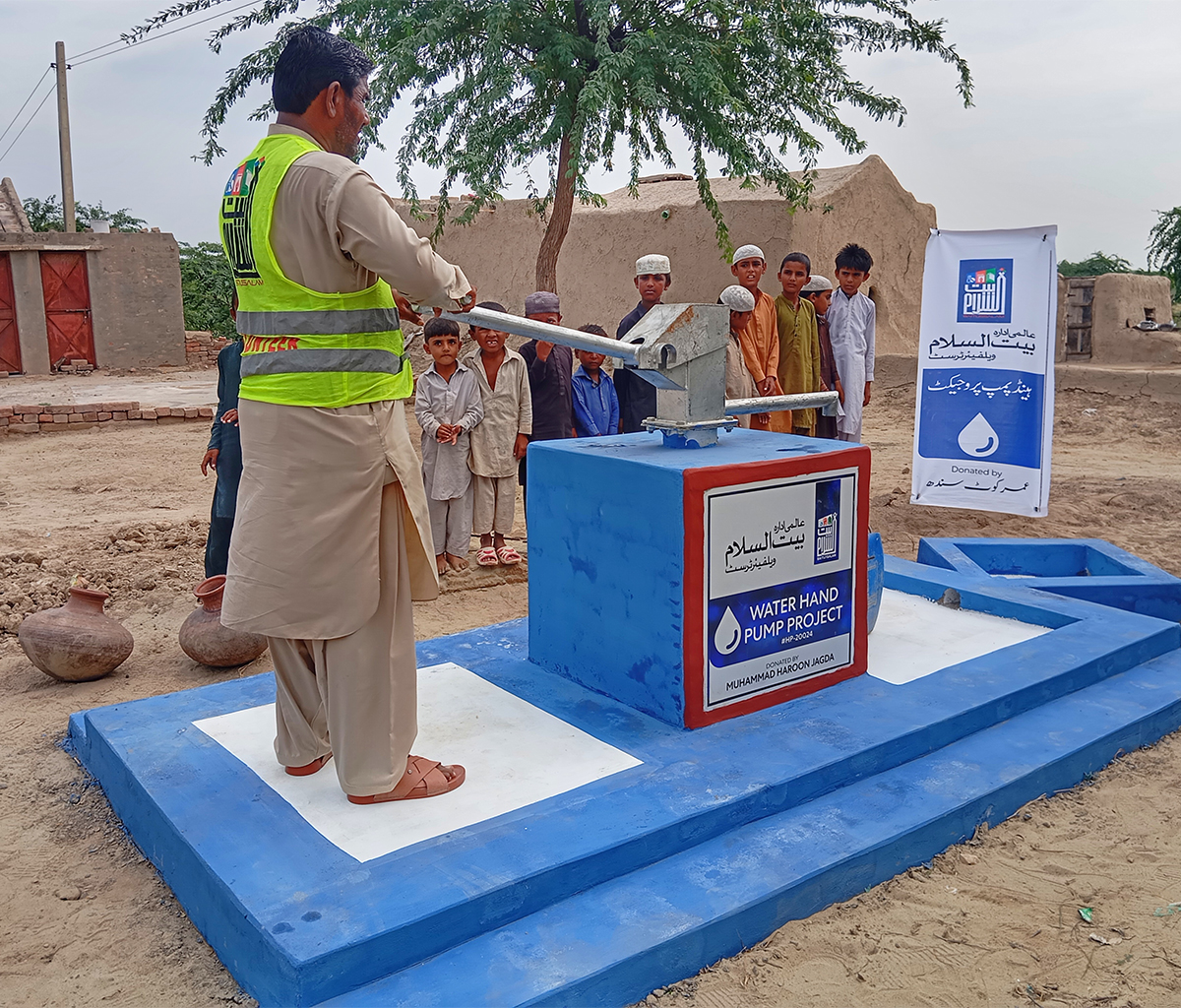
Deep tube wells are drilled to access clean groundwater in areas where surface water is contaminated or unavailable. A single tube well with a hand pump serves 50–100 families indefinitely, with minimal maintenance requirements.
Clean water alone is not enough. BWT's WASH education programme teaches communities about safe water storage, handwashing, disease prevention, and sanitation practices, creating sustainable health habits that reduce illness long after the infrastructure is built.
• 20+ water reservoirs installed serving 20+ villages
• Pipeline networks connecting homes and community centres in multiple districts
• Thousands of families now access clean water without leaving their village
• Maternal and child health indicators improved in served communities
• Girls returned to school as the burden of water collection was lifted
When a community receives a clean water supply, the transformation is immediate and lasting. Mothers report their children have not had a waterborne illness since the reservoir was installed. Women describe using the hours they previously spent collecting water to start small businesses, take on embroidery work, and spend time with their children. Children who were pulled from school to help with water collection return to classrooms.
Clean water is not just a resource. It is the foundation of every other improvement in a community's life, education, livelihood, maternal health, and child survival all depend on it.
|
Donation Amount |
What It Funds |
|
Rs. 120,000 |
Water Hand Pump |
|
Rs. 310,000 |
Water Well |
|
Rs. 450,000 |
Gravity Scheme |
|
Rs. 500,000 |
Water Boring |
|
Rs. 700,000 |
Solar Water |
| Rs. 1,400,000 | Mini R.O Plant |
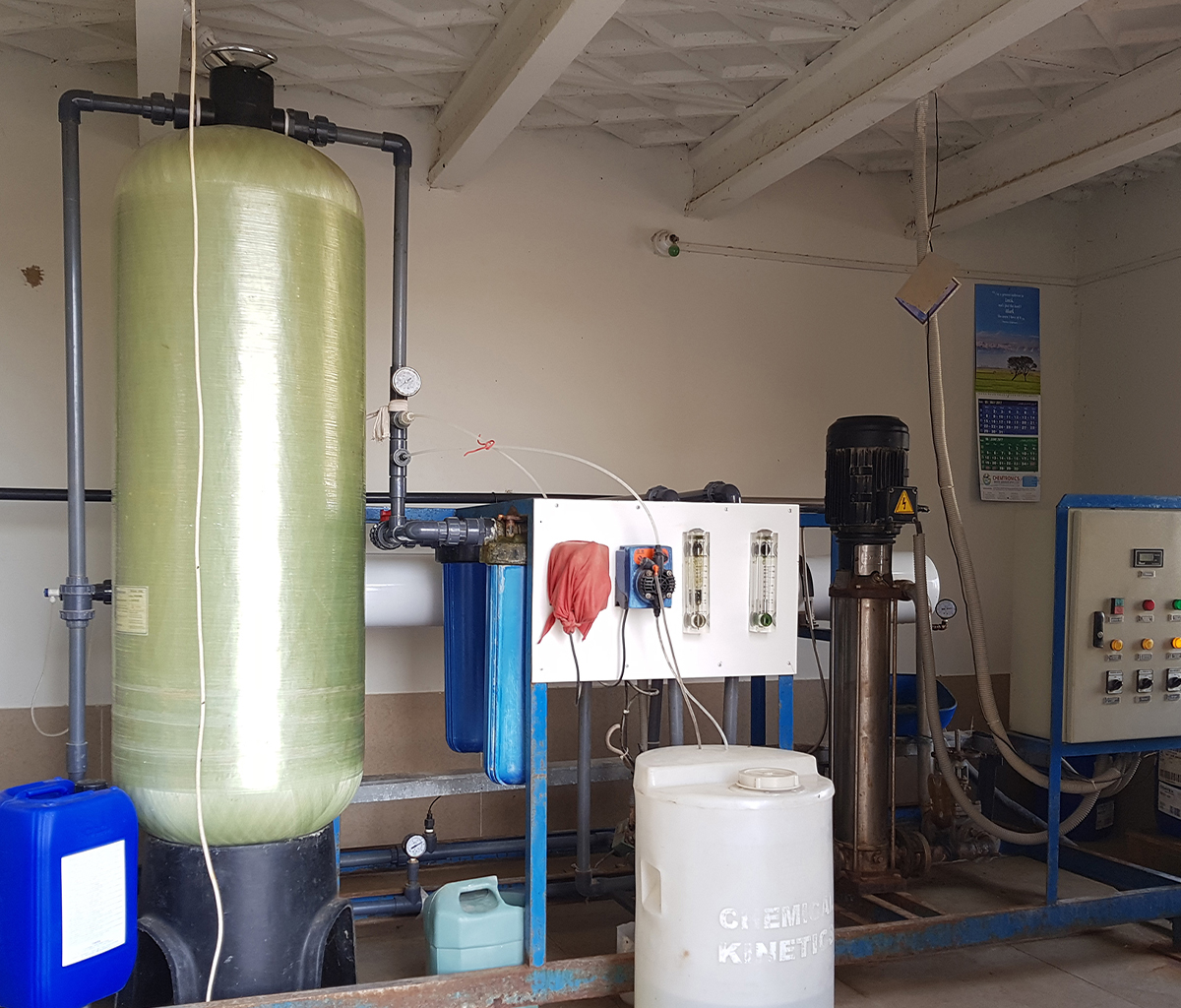
| Rs. 2,300,000 | R.O Plant |
Every
clean water donation is Sadaqah Jariyah, continuous charity. A well or
reservoir built today will serve families for decades, and every glass of clean
water drunk, every child saved from waterborne disease, and every girl who
attends school instead of collecting water carries your reward.
For more details, contact us at info@baitussalam.org
Related Projects

Baitussalam Welfare Trust (BWT) in Karachi, Pakistan is a non-profit relief and development organization that is dedicated to alleviating human suffering and supporting the destitute in their efforts to become more self-sufficient.
Useful Links

Contact Us
Sign Up For Our Newsletter*